
October 19, 2021
Why You Need to Know About the W-Curve
Watching your child experience their freshman year of college is a bit like riding a rollercoaster. There will be lots of highs and lows but having a roadmap of what and when these ups and downs happen can help make the ride feel less intense. The W-Curve is a predictable, emotional pattern that many first-year students experience. As parents, if we learn about this pattern, we can share it with our children to normalize their experience and be better equipped to provide the appropriate supports.
Below I summarize the 5 stages of the W-Curve from the article “Culture Shock and The First-Year Experience” by William J. Zeller and Robert Mosier for the Journal of College and University Student Housing.
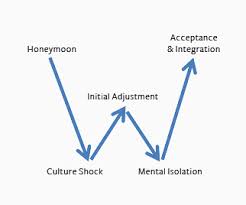
1. Honeymoon: Exciting Times
This phase begins before your child even arrives on campus and extends into the first weeks of school. There is typically a lot of excitement and positive anticipation of what is to come. Once on campus, students are wrapped up in the many activities that are planned by the college (welcome week, orientation, and events). They often spend time with people in their dorm or their roommates.
2. Culture Shock: Reality Sets In
Once the initial excitement wears off, students often begin to recognize that some of their expectations about college life are different than what they are experiencing. Perhaps having a roommate is not what they thought it was going to be or the academic demands are different from what they anticipated. It is also common to hear them feeling overwhelmed with personal responsibilities that they have outside of academics (laundry, cleaning, time management, eating proper meals, etc.) During this phase, it is normal for students to have an increase in homesickness.
3. Initial Adjustment: Settling In
Students now begin to settle into the demands of being a college student. There is a definite upswing in their ability to successfully manage the challenges that they faced during the culture shock phase. As a result, you may see an overall increase in confidence.
4. Mental Isolation: Comparing
This is when there is another (often unexpected) dip in feelings about college. It is common for this to arise after a long or extended break home from school. During this phase, feelings of isolation often set in as students start to compare their new college life to their old home life. Another surge in homesickness can happen as students often feel caught between two worlds (home and college) but unsure if they fit into either. In this stage, it is very important for students to avoid retreating and isolating. They must seek out clubs, activities, and friendships in order to move into the final phase.
5. Acceptance and Integration: Finding Balance
Students start to feel more comfortable in all areas. They begin to feel well connected to other students, faculty, and the university as a whole. They get involved and understand what is needed to succeed. They may even start referring to campus as home.
Of course, not all first-year students will follow this trajectory. However, it is helpful to have a blueprint of the common themes that arise during the first year. And if at any point your child’s college experience becomes too overwhelming, there are many resources available to help including your child’s resident advisor, faculty, advisors, the university counseling center, and friends and family.
GET THE FREE GUIDE
5 TIPS TO HELP YOUR CHILD THRIVE
Want to know what you can do now to help your child thrive in adulthood? A few simple changes in your household can make a huge difference. Download the free guide to get started today!
GET THE GUIDE
5 tips to help your child thrive
